
Reading at Intermediate level
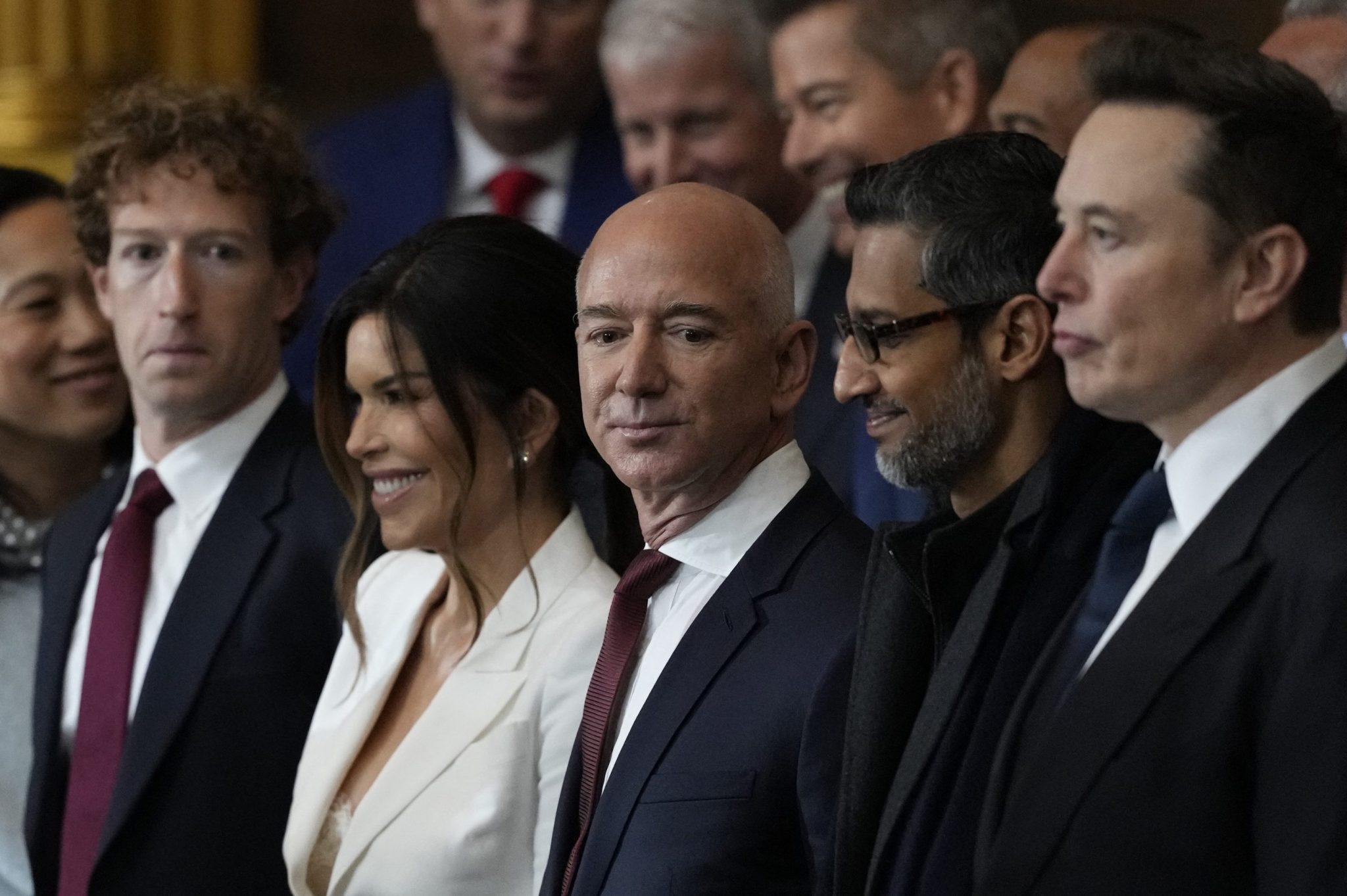
The global billionaire population stands at fewer than 3,800—approximately 0.00005% of the world's population—yet collectively holds $15.1 trillion in wealth according to Altrata's 2026 Billionaire Census. This figure rivals nearly half the U.S. economy (valued at $32.5 trillion) and represents 30% of the G7's combined GDP. The billionaire population grew 8.2% in 2025, the fastest pace in five years, but wealth gains have concentrated sharply at the top.
The primary driver of this concentration is artificial intelligence. Altrata's analysis of the 150 largest public companies where billionaire wealth resides found that firms making substantial AI investments since 2023 saw market-cap growth 23% higher than non-AI investors over 2024–2025. This surge has elevated 29 "superbillionaires"—those worth above $50 billion—who now control $4.1 trillion, or 27.2% of all billionaire wealth. In 2017, only 10 people held superbillionaire status, controlling just 7.2% of billionaire wealth; by 2023, concentration had already risen to 16.3%, accelerating sharply in the past two years. Tech-sector leaders including Elon Musk, Jeff Bezos, Mark Zuckerberg, and Sergey Brin dominate this elite tier.
Geographically, billionaire populations cluster in financial hubs. New York added 12 billionaires to reach 164 total, while Singapore and San Francisco grew comparably. Hong Kong and London—two of the world's top 15 billionaire cities—were the only major hubs to decline. The San Francisco Bay Area alone concentrates six of the world's richest individuals. However, the concentration pattern varies by country: while Germany ranks third globally in GDP, it hosts no city in the top 15, as German wealth is more dispersed; by contrast, London accounts for roughly 60% of UK billionaires. Notably, about one-fifth of global billionaires were born outside their current residence, with Singapore and London seeing more than half their billionaire populations as foreign-born.