
Reading at Beginner level
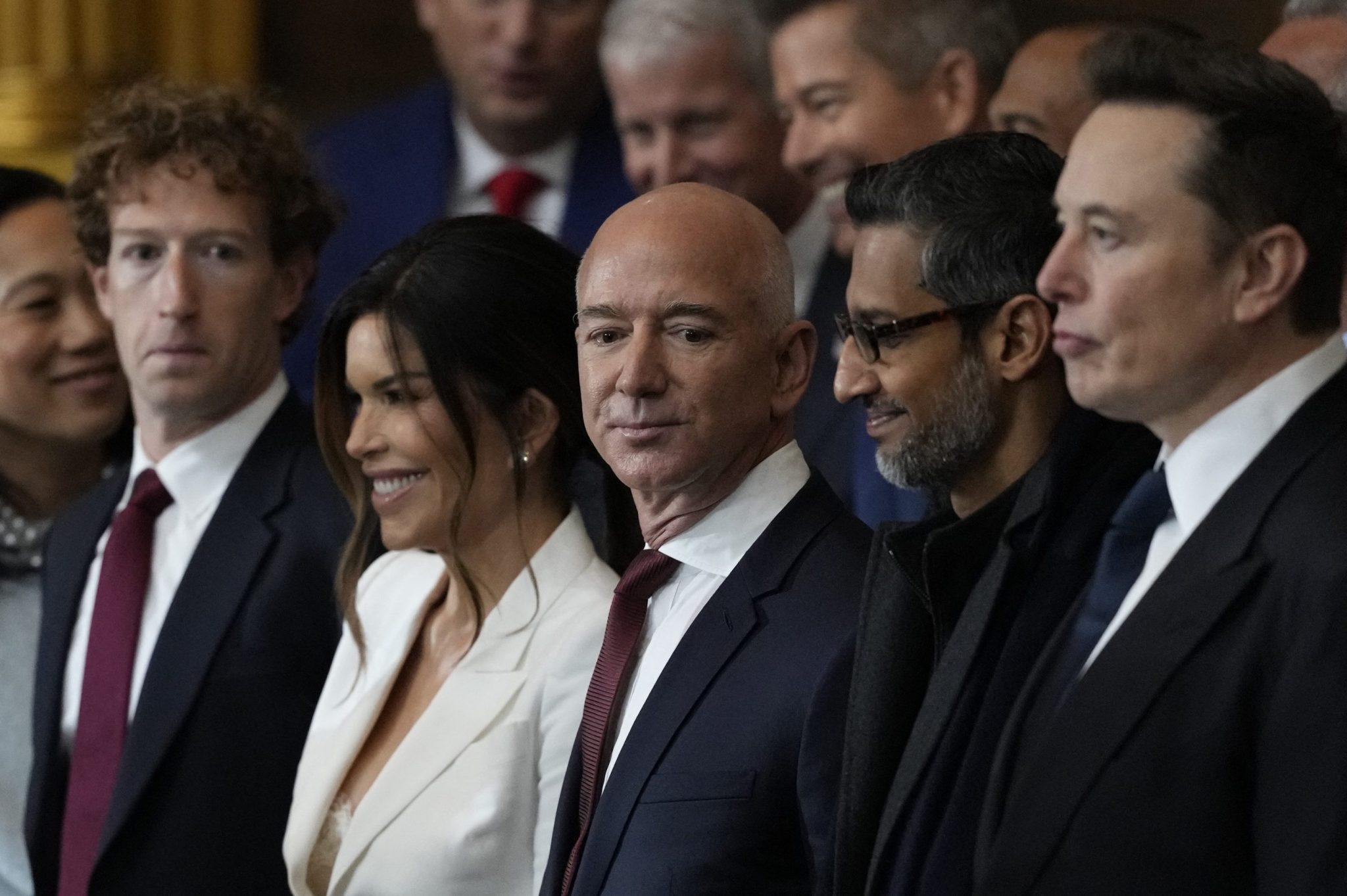
There are fewer than 4,000 billionaires in the entire world—roughly the size of a single college class. Yet these people, about one in every two million people alive, control $15.1 trillion in wealth. To put that in perspective, that's almost half the size of the entire U.S. economy, which is worth about $32.5 trillion.
The wealth is also becoming more concentrated. Twenty-nine people—called "superbillionaires"—now hold fortunes above $50 billion and control about 27% of all billionaire wealth. A decade ago, just 10 people held this status. Much of this recent growth comes from investment in artificial intelligence. Companies that invested heavily in AI since 2023 saw their market value grow 23% faster over the past two years compared to companies that didn't. Tech leaders like Elon Musk, Mark Zuckerberg, and Jeff Bezos dominate the list of the world's richest people.
Geographically, billionaire wealth clusters in specific cities. New York gained 12 new billionaires in 2025, bringing its total to 164, while cities like Hong Kong and London actually lost billionaires. The San Francisco Bay Area alone is home to six of the world's richest people. But there's no clear pattern as to why some cities grow their billionaire population while others shrink.