
Reading at Advanced level
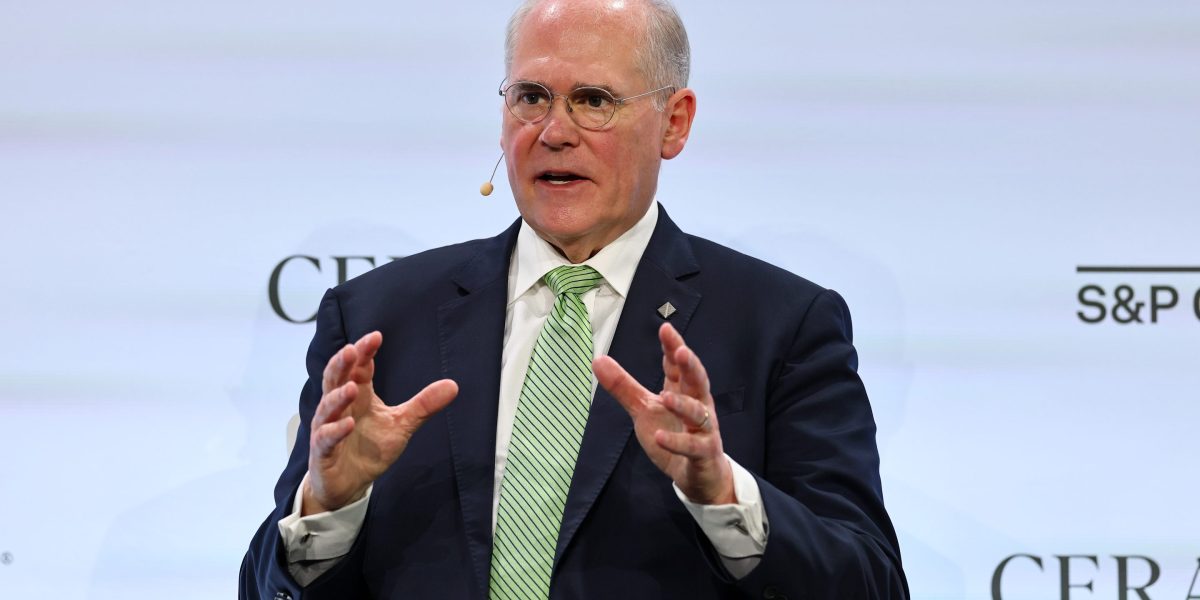
The U.S. midstream sector is undergoing rapid consolidation as tier-one pipeline operators move to secure gathering and processing infrastructure ahead of forecast capacity constraints. Oneok's $4.42 billion acquisition of Brazos Midstream's Permian Basin assets represents the latest in a succession of multibillion-dollar deals—following Williams' $5.5 billion acquisition of Momentum Midstream and Western Midstream's $1.6 billion Delaware Basin buy in May. This wave of M&A reflects a structural rebalancing in natural gas supply dynamics: the U.S. has more than doubled production since 2006, now commanding ~25% of global supply, nearly double Russian output, and dominates global LNG markets despite only entering the export business a decade ago. The Department of Energy projects output could expand a further 35% through 2050, reaching 150 Bcf/d. Dual demand drivers—data center load concentration in Texas and Louisiana, and accelerating LNG terminal capacity expansion on the Gulf Coast—have created a supply tightness that benefits integrated operators capable of controlling the full value chain from wellhead through transmission.
The Brazos transaction exemplifies this vertical integration strategy: the deal includes 700 miles of gathering lines and 1.2 Bcf/d of processing capacity, allowing Oneok to monetize each link in the midstream chain while reducing transport constraints for customers. Notably, the Permian Basin has historically suffered from significant takeaway bottlenecks, occasionally resulting in negative regional spot prices as oversupply forced producers to pay for evacuation. Oneok and partners are building the 450-mile Eiger Express Pipeline (online 2028) to address this dynamic; demand commitments proved so robust that planned capacity was raised from 2.5 Bcf/d to >3.5 Bcf/d pre-launch, suggesting structural underinvestment in transport infrastructure relative to drilling productivity. CEO Pierce Norton's comments underscore management's conviction in sustained demand growth: the company is in active dialogue with multiple data center developers while expecting upstream drilling to accelerate and spot prices to appreciate. Long-haul pipeline buildout from West Texas to the Gulf Coast, coupled with parallel development in the gassy Haynesville Shale, is now racing to alleviate the supply-demand mismatch that previously contributed to regional price distortion. The geographic co-location of LNG export capacity and emerging AI load concentrations in Texas and Louisiana has reinforced competitive advantages for operators with Gulf Coast footprints.