
Reading at Intermediate level
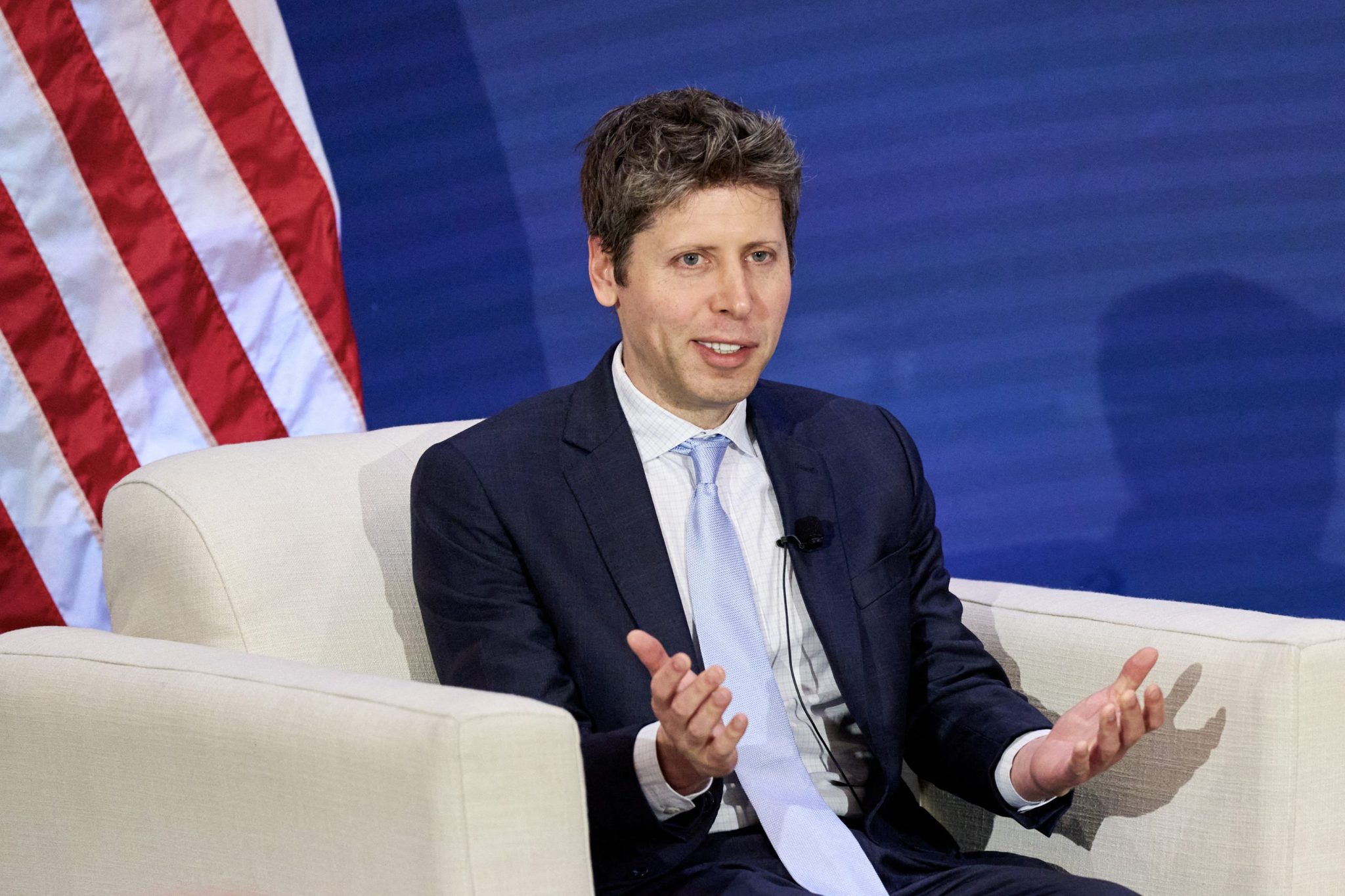
Tech executives gathered this week in North Carolina for a G20 economic event to make the case for accelerated AI infrastructure investment. Sam Altman, CEO of OpenAI, framed AI as "incredible magic of intelligence in a bottle" and argued that substantial new data center capacity—the computational backbone of AI systems—was non-negotiable for scaling AI affordably. Nvidia CEO Jensen Huang and other industry figures delivered similar messages. Yet outside the meeting venue, hundreds of protesters voiced concerns about data centers' environmental footprint and labor practices. Their grievances center on two key issues: the physical toll of data center operations (heavy water and electricity consumption, potential contamination) and broken promises about permanent job creation. As one organizer noted, developers often sell communities on job growth that materializes only during the construction phase, leaving minimal lasting employment.
This disconnect reflects a deeper reputational problem facing the AI sector. Industry leaders like Sam Altman and Dario Amodei (CEO of Anthropic) have shifted messaging on AI's labor impact—once warning of massive job displacement, they now frame AI as a "job multiplier." However, Amodei recently acknowledged that AI faces a genuine trust crisis with the public and will need to deliver tangible breakthroughs (like medical advances) to rebuild credibility. Data centers, being the most visible symbol of AI expansion, have become the focal point of this backlash. According to Reuters, activists staged 142 demonstrations against data centers across 42 states in July alone. Polling by the Economist and YouGov found that nearly two-thirds of Americans oppose data center construction in their local area. The political pressure is real: even in Texas, traditionally favorable to business, Republican Governor Greg Abbott introduced stricter data center regulations amid electoral pressures. In North Carolina, dozens of municipalities have imposed moratoriums or zoning restrictions as proposals proliferate. With approximately 4,000 data centers already operational and over 3,000 more planned or under construction, the infrastructure build-out will likely intensify these conflicts.