
Reading at Advanced level
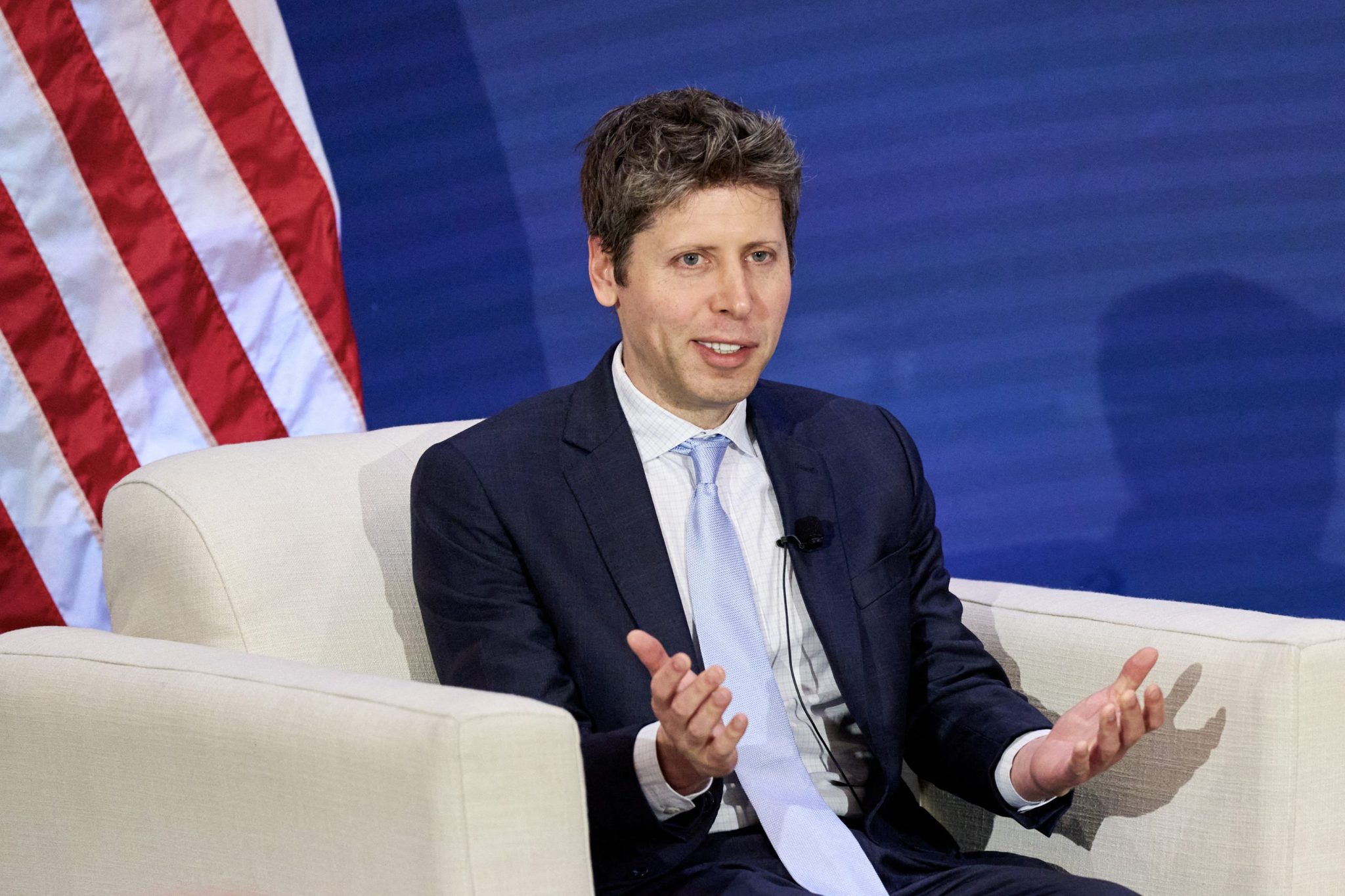
At this week's G20 summit in Chapel Hill, North Carolina, prominent AI executives—including OpenAI's Sam Altman, Nvidia's Jensen Huang, and Palantir's Alex Karp—articulated an unambiguous thesis: continued AI capability advancement requires substantial capex deployment toward data center infrastructure. Speaking alongside U.S. Commerce Secretary Howard Lutnick, Altman characterized AI as "incredible magic of intelligence in a bottle" while underscoring the inevitable expansion of infrastructure requirements to maintain margin structures: "Even with great gains in efficiency, we are going to need to build much more infrastructure, unless we want this to be a highly priced model." The rhetorical framing positioned infrastructure scaling as both economically necessary and socially beneficial.
However, the gathering exposed a significant credibility deficit. Outside the security perimeter, hundreds of protesters assembled to challenge both the environmental externalities and labor economics of data center deployment. Grievances centered on two material points: data centers' intensive consumption of water and electricity with attendant environmental risk, and the practice of front-loading employment promises (construction-phase jobs) without guaranteeing long-term positions. This critique reflects a pattern of community skepticism regarding developer claims, with activists noting the cyclical nature of construction employment versus sustainable economic development.
The gap between internal messaging and external sentiment signals deeper reputational challenges within the sector. Altman and Anthropic CEO Dario Amodei have notably modulated their earlier warnings about labor displacement—once warning of potential 50% white-collar job replacement, Amodei now frames AI as a "job multiplier," while Altman suggested 2024 would avoid a "jobs apocalypse." Yet Amodei simultaneously conceded in recent remarks that AI faces a trust crisis requiring demonstrable breakthroughs (medical innovation, disease mitigation) to restore public confidence. Data centers, as the most tangible manifestation of AI infrastructure expansion, have become the lightning rod for broader anti-AI sentiment. Reuters documented 142 organized demonstrations across 42 states in July alone. A contemporaneous Economist-YouGov poll found two-thirds of Americans oppose local data center development. The political salience is evident: even in Texas, with the nation's second-largest data center footprint, Republican Governor Greg Abbott and Attorney General Ken Paxton both tightened regulatory postures amid electoral pressure. North Carolina has seen dozens of municipalities adopt moratoriums or stricter zoning provisions. With approximately 4,000 data centers operational and 3,000+ additional facilities planned or under construction according to AP reporting, the infrastructure pipeline will likely sustain and amplify these tensions.