
Reading at Intermediate level
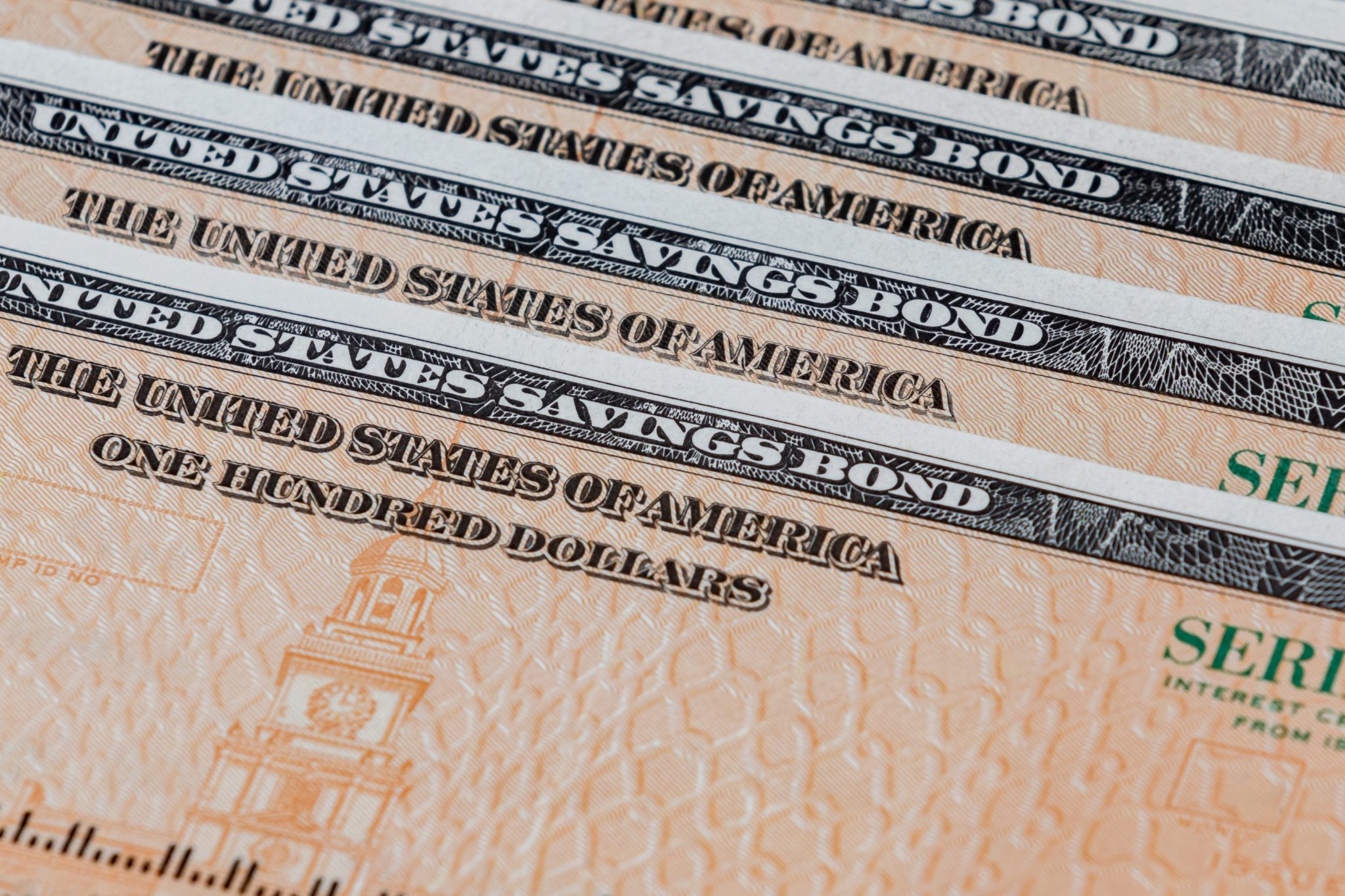
Norges Bank Investment Management, which oversees the world's largest sovereign wealth fund with $2.3 trillion in assets, has proposed a significant rebalancing of its U.S. bond portfolio in a letter to Norway's finance ministry. The fund would reduce its exposure to U.S. Treasuries — typically considered the safest government debt globally — by approximately $80 billion. The proceeds would be redirected into riskier forms of U.S. debt, primarily mortgage-backed securities (MBS) guaranteed by government-sponsored enterprises like Fannie Mae and Freddie Mac. Under the proposal, U.S. government bonds would fall from 34.1% to 21.9% of the fund's benchmark bond index, while mortgage-backed and other non-government securities would increase by 11.4 percentage points.
The fund's leadership argues this reallocation reflects both portfolio optimization and structural market realities. They note that MBS carry prepayment risk—the possibility that borrowers will refinance mortgages at lower rates, shortening the expected investment horizon—rather than default risk, and therefore warrant inclusion in a diversified benchmark. However, the timing is noteworthy: the U.S. carries $40 trillion in total debt with fiscal deficits projected to reach $2 trillion this year. The Trump administration's interventionist approach to Treasury yields and dollar strength, combined with heightened geopolitical tensions (trade conflicts, NATO reduction threats), has increased the perceived risk of holding large concentrations of dollar-denominated assets. The rebalancing would trim government bonds in the benchmark index from 70% to 50%, with U.S. Treasuries bearing the steepest reduction relative to euro-zone and Japanese government bonds. Fund leadership stated that a 50% government bond allocation would "be sufficient to cover liquidity needs, including in periods of turbulence in financial markets."