
Reading at Intermediate level
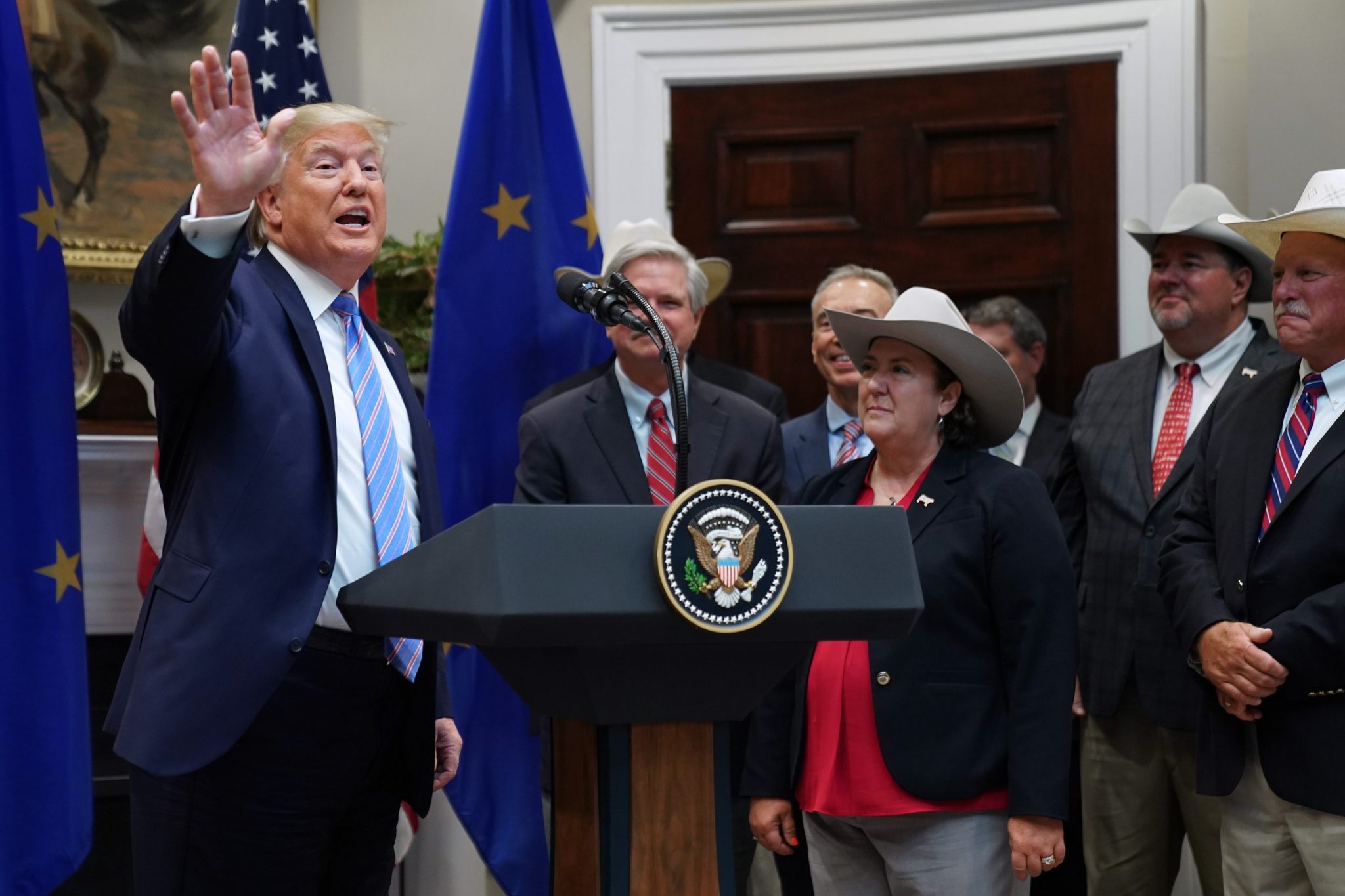
Ground beef prices reached $6.89 per pound in July, a 10% year-over-year increase that has made the food staple a political flashpoint. The DOJ announced in early September that it is scrutinizing eight of the country's largest grocery retailers—Walmart, Costco, Amazon, Kroger, Publix, Albertsons, Aldi, and Ahold Delhaize USA—for potential pricing violations or anticompetitive behavior. The investigation builds on an existing antitrust probe into meatpackers initiated in May, reflecting the Trump administration's focus on beef costs as a barometer for inflation affecting voters ahead of midterm elections.
However, supply-side factors appear to be the primary driver of higher prices. The U.S. cattle herd stood at just 86.2 million head at the start of 2024, the lowest level since 1951. Ranchers have reduced breeding due to elevated input costs—feed, fertilizer, and equipment—exacerbated by tariffs and widespread drought affecting 75% of livestock. The New World screwworm, an invasive parasite from Mexico, has also caused confirmed livestock infestations. Major meatpackers are struggling with compressed margins: Tyson Foods reported a $138 million operating loss in its beef segment and announced plant closures, while JBS posted a $279 million adjusted operating loss in North American beef. To address prices, the administration has implemented tariff reductions on Brazilian beef, increased import quotas, and begun beef imports from Argentina—moves that generated pushback from domestic ranchers citing disease and market-share concerns.