
Reading at Advanced level
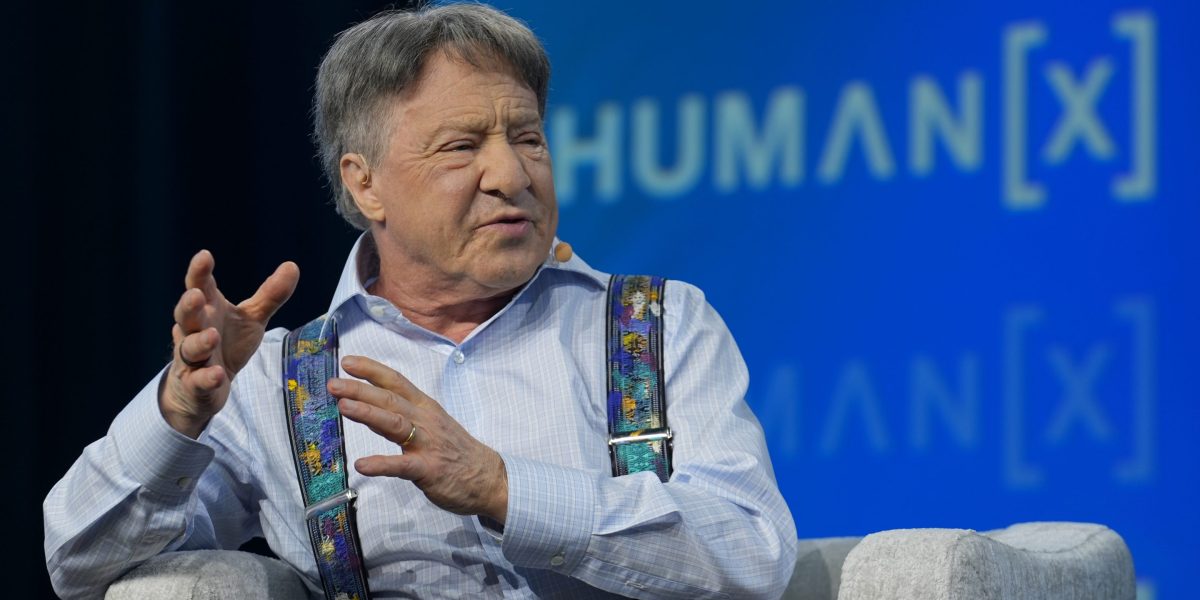
Ray Kurzweil, the futurist and former Google AI researcher whose singularity thesis has shaped technology discourse for decades, is joining Subsense in an advisory capacity. The Palo Alto-based neurotechnology firm is developing a noninvasive brain-computer interface utilizing charged nanoparticles introduced via intranasal delivery, controlled through an external magnetic coil-equipped headset. Subsense's technology addresses a key limitation of competing approaches: while Elon Musk's Neuralink has demonstrated proof-of-concept by implanting wireless electrodes in approximately a dozen spinal cord injury patients, the surgical burden remains a significant barrier to scale. Subsense's intranasal delivery mechanism—mechanically akin to nasal pharmaceutical administration—obviates cranial surgery while retaining the ability to modulate specific neuronal populations through charged particle manipulation.
The company, which has secured $27 million in venture funding, remains in preclinical development with murine models; clinical translation timelines remain speculative. Kurzweil's appointment underscores the venture capital thesis that neural interfaces represent the next frontier in human-computer interaction, positioning the technology as a successor to smartphone-era interfaces. CEO Tetiana Aleksandrova framed the interface as potentially "the most intimate technologies that human beings ever created," signaling the regulatory and ethical dimensions inherent in any BCI commercialization pathway. Subsense's strategy reflects broader industry conviction that noninvasive methodologies—if technically viable—offer superior scalability and adoption profiles relative to implant-based systems, though significant validation hurdles remain before regulatory approval for human trials.