
Reading at Beginner level
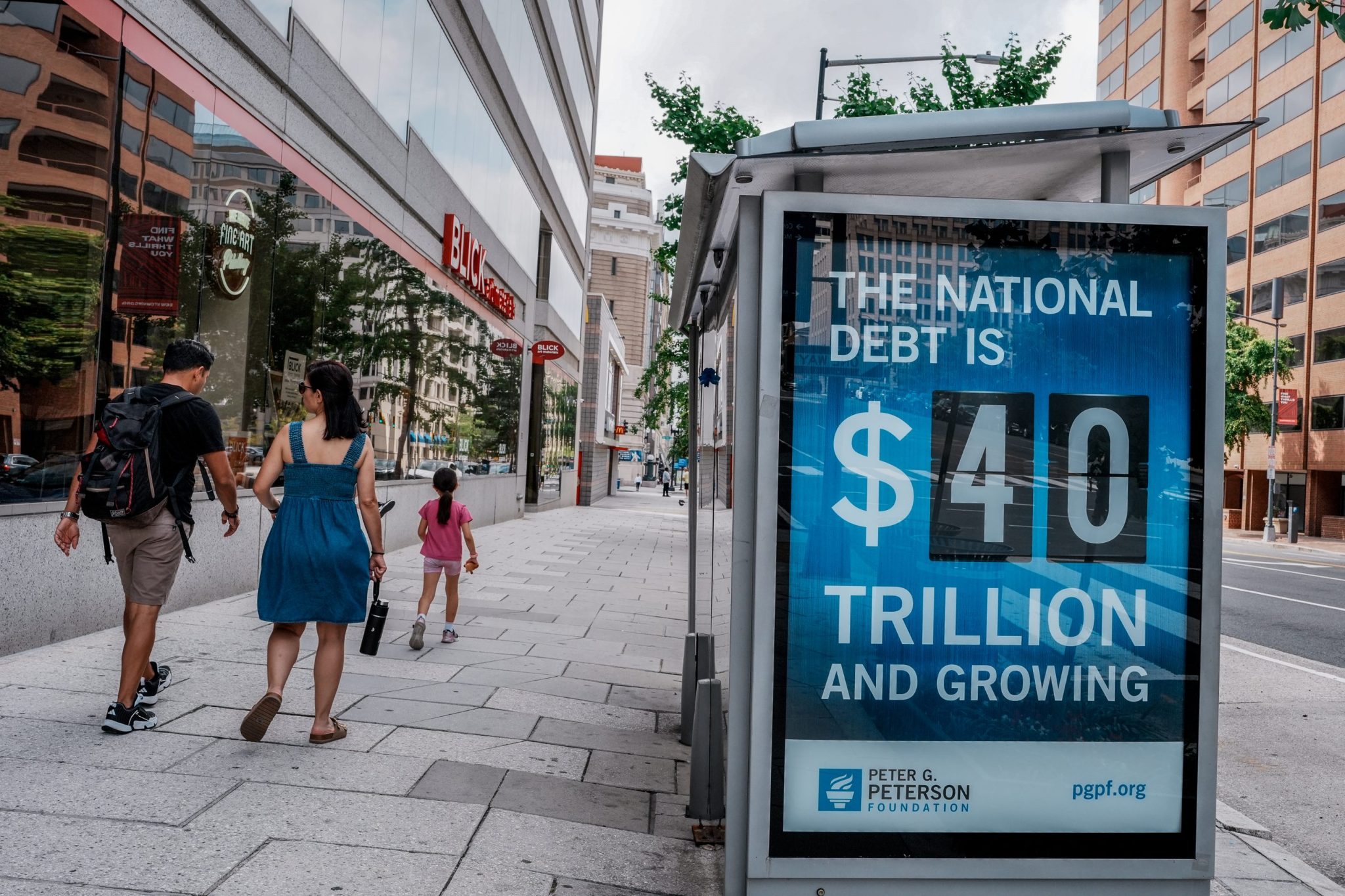
The U.S. government borrows money by selling Treasury bonds—essentially IOUs to investors. This week, the interest rate on a popular type of bond hit 5%, which worries budget experts. When these rates are high, it costs the government more money to borrow, similar to how a higher mortgage rate costs homeowners more.
Higher government borrowing costs create a painful cycle: the government borrows more money just to pay interest on old debts, which means it goes into even deeper debt. Meanwhile, these high rates ripple through your everyday life. If the government is paying high interest, banks and lenders do too—so mortgage rates, credit card rates, and business loans all get more expensive. Businesses may hold off on hiring or investing when borrowing costs rise, which can slow down job growth.